
Keeping a Sauna Clean Without Damaging the Wood
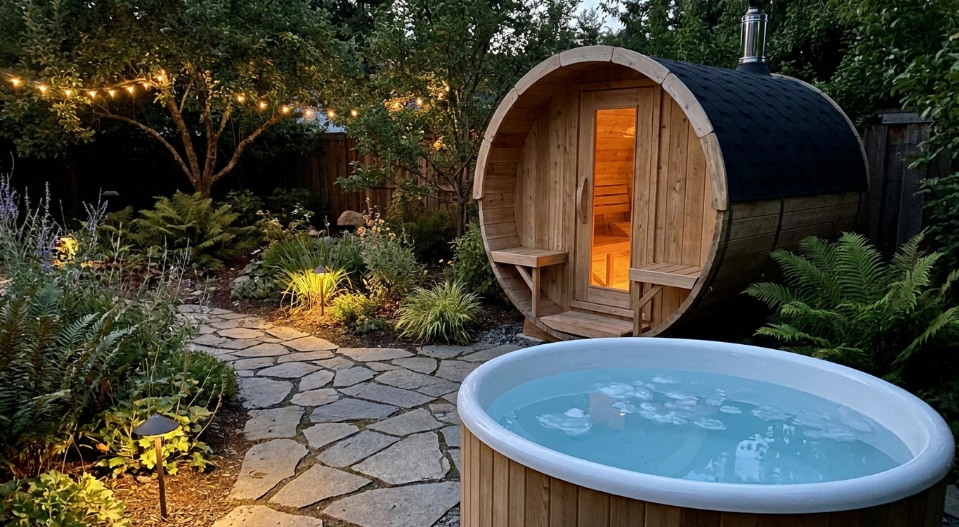
A sauna stays clean and lasts longer with a light routine, not aggressive tools: wipe benches after every session, deep-clean occasionally with a heavily diluted mild soap, and skip anything harsh, pressurized, or sealant-based. Household cleaners, pressure washers, standing water, and any kind of varnish or sealant all cause more long-term damage to interior sauna wood than the sweat and humidity they are meant to fix. The wood inside a sauna is meant to stay bare and breathable, and most cleaning mistakes come from treating it like a bathroom surface instead of the untreated, repeatedly heated wood that it actually is.
1. Wipe Down Benches After Every Session
This single habit prevents more buildup than any deep-cleaning routine ever will. A quick wipe with a clean towel or a soft brush right after each session removes sweat and surface moisture before it has a chance to soak into the wood grain or attract bacteria. It takes under a minute and is the single most effective thing an owner can do, more useful over a year of regular use than any specialty cleaning product on the market.
2. Sweep or Vacuum the Floor Weekly
Floors collect dust, skin cells, and small debris tracked in on bare feet, and left alone that buildup gets ground into the wood grain over time. A simple weekly sweep or a vacuum with a soft brush attachment keeps grit from acting like sandpaper underfoot and stops debris from settling into gaps between floor boards, where it is much harder to remove once it has been there for weeks.
3. Deep-Clean With Diluted Mild Soap, Not Household Cleaners
Every few weeks, or more often with heavy use, benches and walls benefit from an actual cleaning pass rather than a quick wipe. A mild, unscented soap diluted heavily in water, applied with a soft cloth and then wiped dry, removes oils and residue that a dry towel alone cannot reach. Standard household cleaners, the kind meant for kitchens or bathrooms, are the wrong tool here: their fragrances, dyes, and solvents can release fumes once the room heats back up, and residue left behind can affect both the wood’s look and its smell during the next session. A basic wood-safe cleaning kit, brush, soft cloths, and a mild unscented soap, runs $20 to $40, and a few retailers, including Sweat Decks, include a starter kit with new cabin orders, which is worth checking before buying separate supplies.
4. Sand Out Light Mildew Instead of Bleaching It
A small dark or gray patch on a bench or wall is usually surface mildew, and bleach is the wrong response to it inside a sauna. Bleach can discolor the wood unevenly and, like household cleaners, leaves residue that reacts poorly with heat. Light sanding with fine-grit sandpaper removes the affected surface layer of wood entirely rather than just masking a stain, and it is a technique worth learning early, since it is the standard fix recommended by most sauna builders for this exact problem.
5. Never Seal or Varnish the Interior Wood
It might seem logical to protect sauna wood with a sealant the way a deck gets treated, but the opposite is true for the inside of the hot zone. Sealants and varnish trap moisture inside the wood instead of letting it evaporate freely between sessions, which encourages exactly the mold and mildew growth a sealant is supposed to prevent. Sealed wood also heats up differently and can off-gas once hot. Bare, untreated wood, cleaned properly and given time to dry between sessions, is the standard for interior sauna surfaces for good reason.
6. Let the Cabin Dry Out Between Sessions
Leaving the door propped open after each session, along with keeping the vents unblocked, gives residual humidity somewhere to go instead of sitting against the wood overnight. A cabin that stays sealed up tight and damp between uses is far more prone to mildew than one that gets a chance to air out, and this single habit, costing nothing and taking no extra time, does more for long-term wood condition than most cleaning products combined.
7. Treat the Exterior Differently From the Interior
Outdoor-facing wood on a barrel or cabin sauna is a separate maintenance question from the untreated interior. Exterior surfaces are generally meant to be sealed or stained against weather exposure, the opposite approach from the bare interior, and mixing up the two, applying interior-safe methods outside or exterior sealants inside, causes problems either way. Keeping a clear mental line between the two surfaces, and the different products each one calls for, avoids most of the common mistakes first-time owners make in the first year.
What to Keep Off the Interior Wood Entirely
A short list of items causes a disproportionate share of the damage seen in older cabins: scented candles or essential oil diffusers set directly on wood surfaces, metal furniture or accessories left resting on a bench long enough to leave a rust mark, and any spray-on cleaning product, even one marketed as natural, applied straight onto the wood instead of onto a cloth first. Spraying a cloth away from the wood and wiping it on afterward avoids oversaturating a single spot, which is a small habit that prevents a surprising amount of long-term staining.
Does Consistent Cleaning Support the Health Case for Regular Use?
Reviews of sauna research, including a widely cited summary in Mayo Clinic Proceedings and a review focused on the effects of heat and cold on the body, associate regular sauna use with favorable cardiovascular measures, built on people using a room consistently over years. A cabin that smells musty or shows visible mildew is a room people stop wanting to use, which works directly against the kind of routine those associations are based on. Basic upkeep is a small piece of what actually keeps a sauna in weekly rotation instead of gathering dust in the backyard.
Frequently Asked Questions
Can you use regular household cleaner in a sauna? No. Fragrances, dyes, and solvents can release fumes when heated and leave residue. A mild, heavily diluted soap is the safer standard.
Is it safe to pressure wash the inside of a sauna? No. It forces water deep into the grain and behind panel joints, raising the risk of warping and hidden mold growth.
Should the inside of a sauna be sealed or varnished? No. Sealants trap moisture inside the wood instead of letting it evaporate, and can release fumes once heated.
How often should benches be deep cleaned? A wipe after every session plus a proper diluted-soap cleaning every one to two weeks covers most households, more often with heavy use.
References
- Clinical Effects of Regular Dry Sauna Bathing: A Systematic Review, Evidence-Based Complementary and Alternative Medicine, 2018.
- Effects of heat and cold on health, with special reference to Finnish sauna bathing, American Journal of Physiology – Regulatory, Integrative and Comparative Physiology, 2018.
- Cardiovascular and Other Health Benefits of Sauna Bathing: A Review of the Evidence, Mayo Clinic Proceedings, 2018.